A CRM your team will actually use
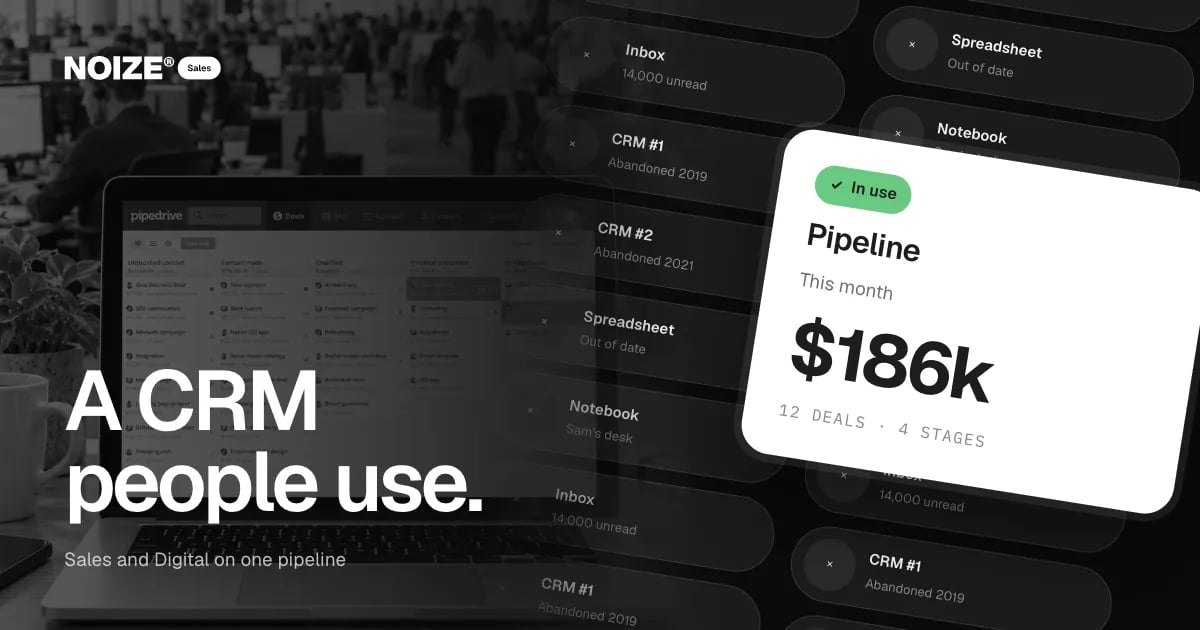
CRM number one: abandoned in 2019. CRM number two: abandoned in 2021. The spreadsheet that replaced them: out of date. The notebook on Sam's desk: the real record. The inbox: fourteen thousand unread.
Most businesses that "tried a CRM" have a story like this. The software wasn't the problem. It was set up for the software's features rather than the team's way of working, nobody owned it and it created more work than it saved. So people stopped using it.
The short version
- A CRM works when it is built around your sales process, simple enough to use every day, connected to the tools you already use and owned by someone who keeps it clean.
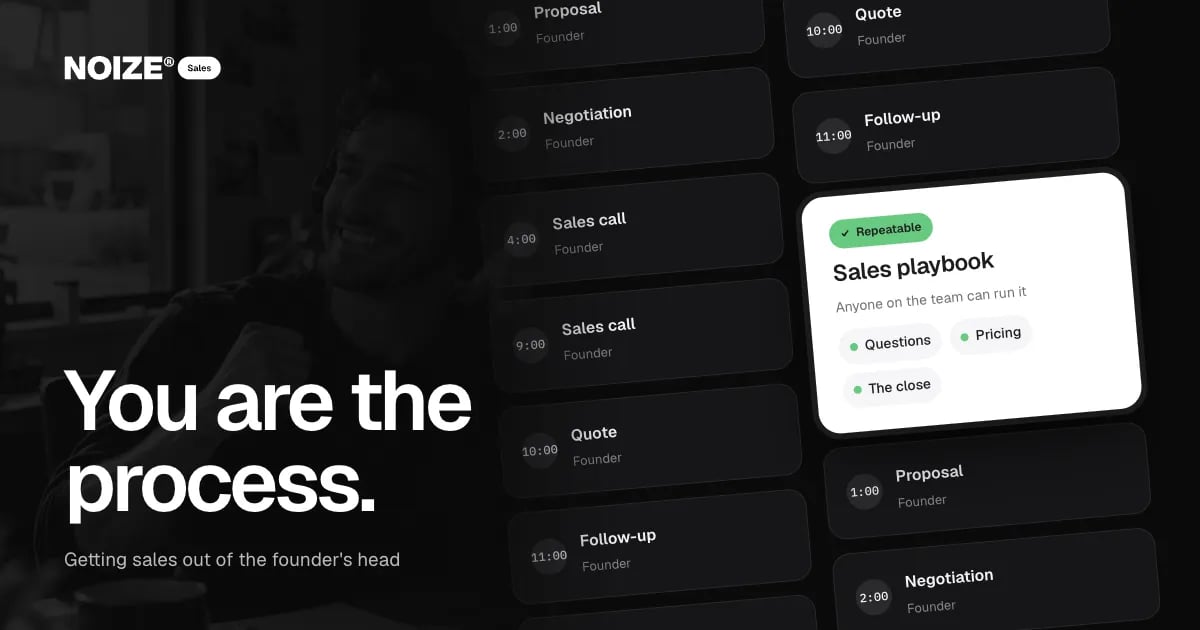
- Sales designs the pipeline and rules.
- Digital connects the website, email, calendar and accounting so data flows in automatically.
- The result is a CRM that shows next month's revenue, not just last month's activity.
Why CRMs get abandoned
01Too complicated
Dozens of fields, stages and features nobody needs. Every update feels like paperwork.
02Not built around the process
Default stages that don't match how the business actually sells.
03Manual data entry
Leads, emails and meetings have to be typed in by hand, so they aren't.
04No owner
Nobody keeps the data clean, so it becomes unreliable, so nobody trusts it.
05No reason to use it
If managers don't run meetings from the CRM, staff see no benefit in updating it.
What a usable CRM looks like
- Stages that match reality. New, contacted, qualified, proposal, negotiating, won, lost, or whatever fits your sales cycle.
- Only the fields that matter. Capture what you use for decisions. Drop the rest.
- Automatic data capture. Web enquiries, emails and meetings flow in without typing.
- Tasks and reminders. Every deal has a next step and a date.
- Templates. Emails and proposals sent from the CRM.
- Simple reporting. Pipeline value, conversion by stage and deals at risk, visible at a glance.
- Clear ownership. One person responsible for data quality and improvements.
> I've invested in businesses where the CRM was the most valuable tool they owned, and others where it was an expensive address book. The difference was never the software. It was whether the team ran their week from it.
Making adoption stick
Run sales meetings from the CRM pipeline. Celebrate wins recorded in it. Make it the only place deals are tracked. Start simple and add complexity only when the team asks for it. Train new starters on it from day one.
“Things really got moving beyond our expectations.”
An illustrative example
Imagine a professional services firm on its third CRM. A reset strips the stages back to six that match how it sells, removes most custom fields, connects web forms and email so leads arrive automatically, and sets weekly pipeline meetings run from the CRM. Within a month the team updates it daily, and the owner can see the coming quarter's revenue for the first time.
Mistakes to avoid
- Don't pick software before defining the process.
- Don't migrate messy data without cleaning it.
- Don't launch every feature at once.
Where Sales and Digital work together
NOIZE Sales designs the pipeline, stages, rules and reporting. NOIZE Digital implements and integrates the CRM with your website, email, calendar and Xero. NOIZE IT manages access and security. See sales.noize.com.au and digital.noize.com.au.
Questions to ask before choosing a CRM
- What are the stages of our sales process?
- What information do we actually use to make decisions?
- Which tools must the CRM connect to: website, email, calendar, Xero?
- Who will own data quality?
- How will managers use it every week?
- What did we learn from previous attempts?
Answering these first avoids repeating past failures.
What good looks like
The CRM has a handful of stages that match how the business sells. Leads from the website arrive automatically with their source. Every deal has a value, a stage and a next task. Emails and meetings are logged without manual effort. Weekly pipeline meetings run from the CRM. Reports show pipeline value, conversion by stage and deals at risk. The team updates it daily because it saves them time.
Keeping it simple as you grow
Start with the basics and add features only when the team asks for them. A CRM that grows with the business, one useful improvement at a time, stays in use far longer than one launched with every feature switched on.
Where to start this week
Draw your sales process on a page, from first enquiry to paid invoice. Compare it with the stages in your current CRM or spreadsheet. Where they differ, the system is fighting the team.
How Sales connects to the rest of NOIZE
Every department leans on the others, and this one is no exception. And when deals grow larger, NOIZE Accounting helps make sure the pricing still works. Sales stops being one person's job and becomes a system the whole business supports. NOIZE Marketing brings the leads and adjusts campaigns based on which ones close. NOIZE Digital builds the CRM, integrations and automation that keep follow-up running. NOIZE Creative makes proposals and pitch decks look like the brand. NOIZE Talent provides the people to run the process once it exists. NOIZE Legal helps keep terms of trade current, with an appropriately qualified professional where required.
Related reading
- Stop leaving deals on the table: where small businesses lose sales
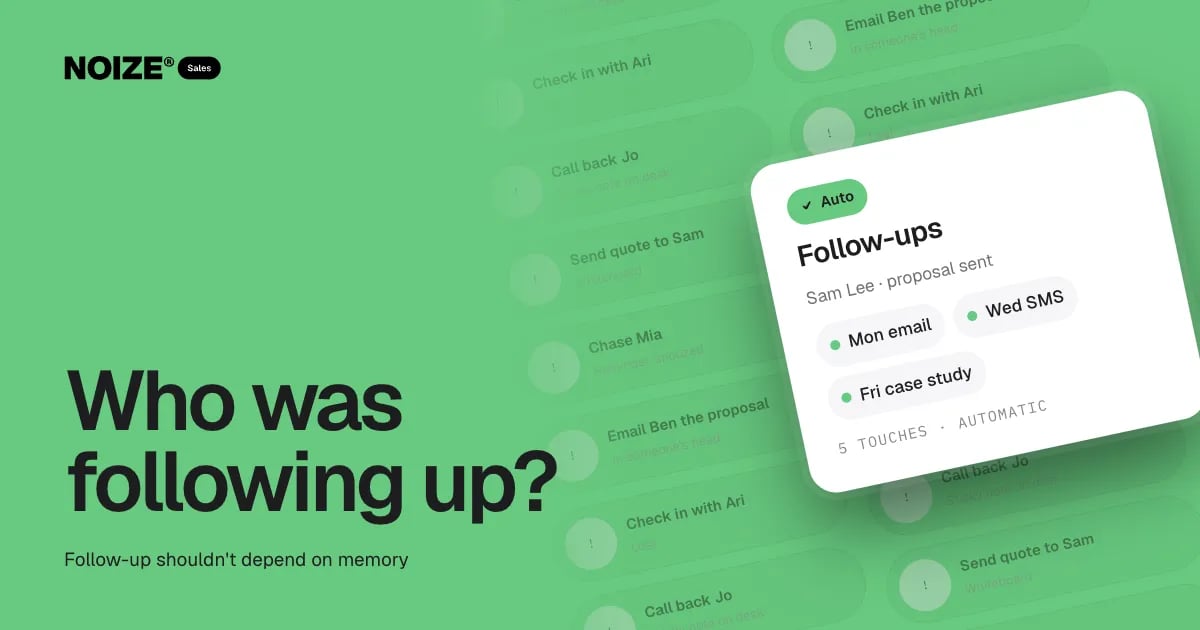
- Follow-up should not depend on who remembers
Common questions
Which CRM is best for small business?
The one that fits your process and integrates with your tools. We recommend based on how you sell.
Why does my team not use our CRM?
Usually because it is too complex, not built around the process or requires too much manual entry.
How long does CRM setup take?
A focused setup can be ready in weeks, then refined as the team uses it.
Can the CRM connect to Xero?
Many CRMs integrate with Xero so won deals and invoices stay in sync.
Should we migrate our old CRM data?
Usually, after cleaning duplicates and out-of-date records.
What is pipeline management?
Tracking every deal through defined stages, with values and next steps, to forecast revenue and keep deals moving.
Who should own the CRM?
A named person responsible for data quality, training and improvements.
Can NOIZE support the CRM after launch?
Yes. Digital and IT can maintain and improve it as the business grows.
Can NOIZE Sales work with our existing team?
Yes. We build the process and tools around your team and coach them to use it.
What is a qualified lead?
A lead that matches your best-fit customer and has a genuine need, budget and timeframe, as agreed between Marketing and Sales.
How do we know where deals are lost?
Track each deal's stage in a CRM and review lost deals regularly, recording the reason each time.
Should the owner still be involved in sales?
Usually, yes, in coaching, key meetings and the largest deals, rather than in every step.
What is sales enablement?
Giving salespeople the tools, content and training they need to sell effectively, such as playbooks, templates and case studies.
Your first strategy conversation is on us.
Have a chatThe brand for business.